
In the UAE heat, keeping the turf grass alive is a real problem. For instance, try imagining a stunning green turf that looks perfect in the morning, but by the afternoon, you see it already struggling under the blazing UAE sun. Between soaring temperatures, water restrictions, and constant maintenance demands, keeping outdoor spaces green here is no cakewalk, and that’s exactly where the big question comes in: Should you choose natural grass or go for the artificial grass suppliers in UAE?
There’s no denying that both options promise lush green spaces, but in the UAE’s unique climate, they perform very differently. Wondering how? Well, we are here to break things down in a practical, no-fluff way, so selecting the right grass feels less confusing and more straightforward.
In the UAE, summer highs tend to soar well above 40°C, and natural grass struggles in those conditions. Even the toughest turf varieties require heavy watering, frequent reseeding, and expert care just to stay playable, and meanwhile, water scarcity and sustainable goals add pressure to minimize excessive irrigation.
This climate challenge is why the natural vs. artificial turf debate has started, and it’s critical to your sport, your budget, as well as your field’s performance.
There’s a reason professional stadiums have historically used natural grass: it feels authentic underfoot, and players often prefer its soft surface. Natural grass also helps cool the environment, aids carbon absorption, and supports biodiversity when managed sustainably. While there’s no denying that natural grass works well, there are some drawbacks to the organic option as well.
In a place like the UAE, these perks come with steep upkeep, and natural grass fields demand around-the-clock water, routine mowing, fertilization, pest control, and expensive labor. Under extreme sun and heavy use, turf can quickly deteriorate, as they require aggressive repair cycles, and reduce field availability.
Despite best practices, keeping natural turf lush in the UAE is a full-time job that not every club or facility can sustain.
Most people think that artificial turf is just like a carpet, which isn’t true. In fact, it is highly engineered for consistent performance, durability, and year-round play. FIFA, rugby, and other sports bodies now certify synthetic turf systems that meet performance standards, with predictable ball roll, traction, and structural integrity. In fact, here’s why artificial grass has become quite popular for sports fields:
Artificial turf pitches allow sportspersons to play regardless of intense heat or rain. With built-in drainage, this turf can prevent water accumulation, which means fewer weather-related cancellations and more hours of training and matches.
Typically, natural grass only supports limited weekly play before showing damage, but synthetic turf fields can withstand hundreds of hours of activity with minimal degradation, which is crucial if you host academies, community leagues, or back-to-back fixtures.
While artificial surfaces require periodic brushing, cleaning, and infill checks, they eliminate mowing, irrigation, fertilization, and pesticides, which is a massive operational saving in the UAE’s arid climate.
Synthetic turf delivers predictable bounce, traction, and ball behavior, which is essential for professional sport and skill development. Even fewer wear means fewer uneven spots or risk areas for players, and that’s a win-win!
| feature | Natural Grass | Artificial Turf |
| Water usage | Very high | Minimal |
| Maintenance | Intensive (mowing, irrigation, fertilization) | Low (cleaning, brushing) |
| Durability | Moderate (prone to wear under heavy use) | High (handles frequent play) |
| Climate resilience | Struggles in extreme heat | Designed for all-weather play |
| Play consistent | Varies with conditions | Highly predictable |
| Long-term cost | Often higher | Often lower |
| Player preference | Traditional feel | Moderate consistent surface |
When choosing between natural and artificial grass for UAE sports fields, consider usage frequency, budget, maintenance resources, and player expectations. For facilities that host frequent matches, training sessions, and multi-sport use, modern artificial turf often delivers the best combination of reliability, performance, and cost-effectiveness.
Choose what keeps your players safe, your schedule full, and your field performing year-round, no matter what the tough UAE heat throws at it. Looking for a reliable artificial grass supplier in UAE to spark new life into sports fields like FIFA-approved football grounds, hockey fields, golf courses, or rugby and cricket fields? Find them only at Hadir Projects & Environment Systems LLC.
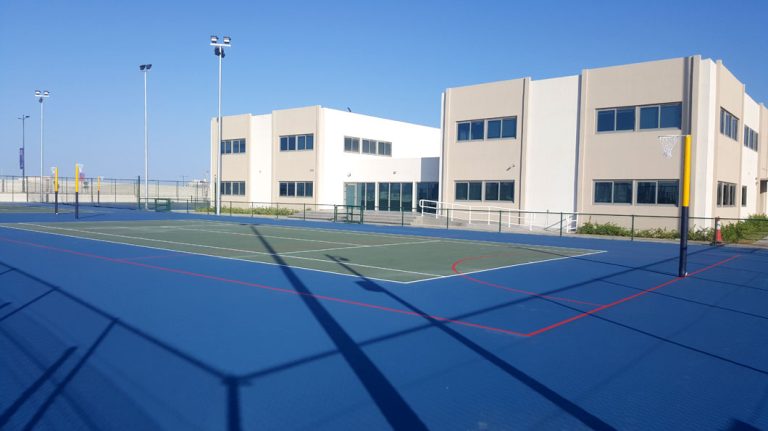
No wonder innovation has taken over every aspect of life, and sports infrastructure is no longer an exception. In recent...
Know More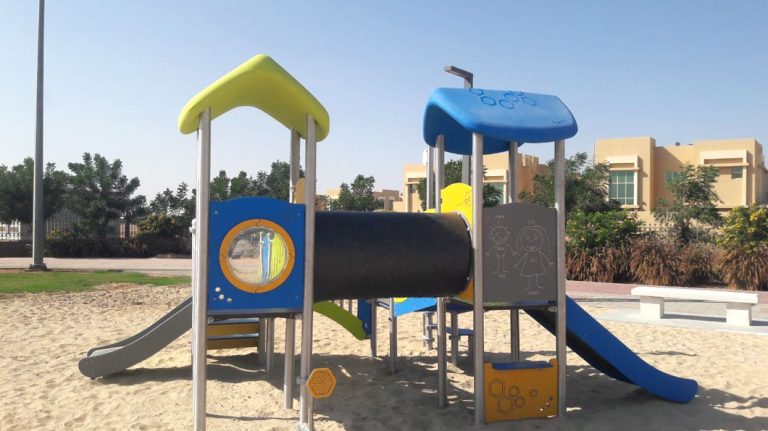
In the UAE, children’s playgrounds are far more than recreational add-ons; today, they are a prime lifestyle amenity that directly...
Know More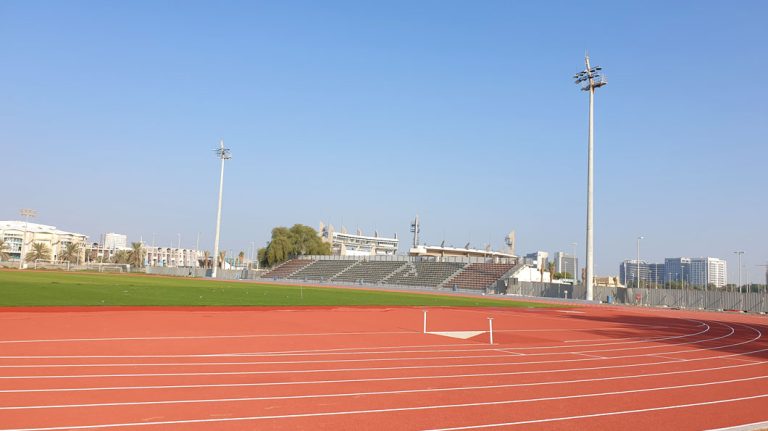
Is your facility’s running track wearing out faster than expected? And when you start looking at Athletic Track Flooring in...
Know More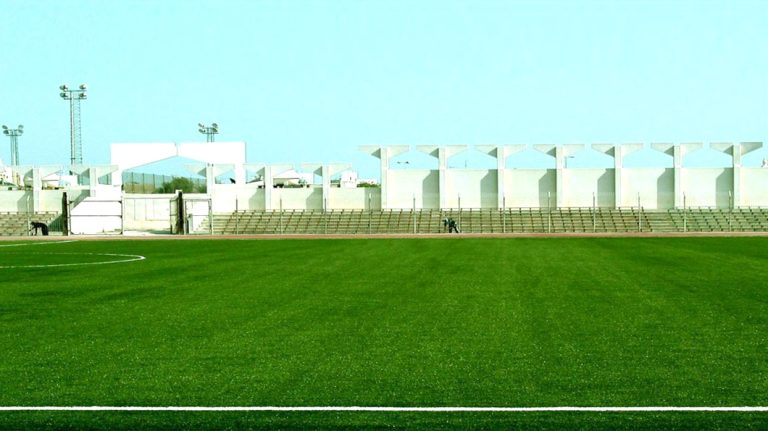
Is your outdoor space struggling with the UAE’s relentless summer heat? Have you ever wondered how commercial spaces in Dubai...
Know More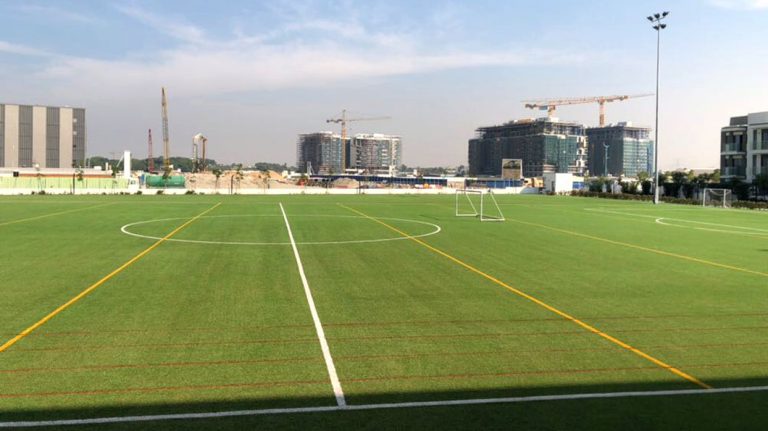
Maintaining a green surface in the UAE stadiums using natural grass has become a challenge due to rising temperatures, increasing...
Know More
Thinking about upgrading your gym, school sports area, or building a new sports facility in the UAE? Let’s start with...
Know More
