
Maintaining a green surface in the UAE stadiums using natural grass has become a challenge due to rising temperatures, increasing water conversation concerns, and the demand for year-round usability. So, finding a sustainable alternative for natural grass has become essential. Artificial grass suppliers in UAE are playing a key role in the transformation of sports infrastructure and landscaping projects with durable, low-maintenance, and visually appealing turfs. It is innovated to withstand the region’s harsh climatic conditions while maintaining a lush green appearance, offering a practical solution for stadiums, commercial properties, and residential landscapes seeking high-performance, and long-term cost savings options without the burden of irrigation and upkeep.
Artificial grass is composed of synthetic materials such as polyethylene, polypropylene, and nylon. It can be installed in private gardens, balconies, roof gardens, hotels, office complexes, etc. This man-made grass is also used for landscaping to enhance the visual appeal without increasing expenses. By far, the biggest supporter of the artificial turf market is the sporting industry, with FIFA, and Olympic-grade installations on sports grounds for football, cricket, tennis, and hockey. Some of the distinguishing advantages of using artificial grass are:
Are you still confused about whether to choose artificial or natural grass? Here’s a quick comparison to help you finalise your decision:
| Factor | Natural grass | Artificial grass |
| Water demand | High | Near zero; occasional rinse only. |
| Usage capacity | Low | Intense |
| Chemical use | Pesticides, herbicides, fertilisers. | None required. |
| Lifespan | Season-dependent | 10-15 years |
| UV/heat resistance | Low; fades and dies | Extremely high, UV-resistant, stays green year-round. |
| Maintenance | High maintenance | Minimal maintenance required. |
According to a report by Grand View Research, the artificial turf market in the UAE is on a significant upward trajectory. After generating USD 138.5 million in revenue in 2025, the market is projected to nearly reach USD 267.9 million by 2033, growing at a CAGR of 8.7% during 2026-2033. The growth is driven by the need to find durable, low-maintenance, and weather-resistant solutions for sports infrastructure and landscaping projects.
Natural turf maintenance in the UAE is both resource-intensive and expensive. Sand exposure, dry climatic conditions, and extensive water consumption make conventional lawns difficult to sustain consistently. Artificial turf addresses these challenges by providing an inexpensive and long-lasting solution that can efficiently withstand harsh weather conditions with lower water dependency and reduced maintenance costs.
Artificial grass is not merely an aesthetic and functional alternative to natural grass. It is a strategic solution that combines sustainability and environmental consciousness, making it highly suitable for UAE’s climate and development demands. Whether it’s a professional sports field or a luxurious commercial environment, the leading artificial grass suppliers in UAE ensure that their turf delivers exceptional performance. If you are seeking premium-quality artificial grass systems, then visit the website of Hadir Projects & Environment Systems L.L.C (HPES) today and renovate the art of turf installation!
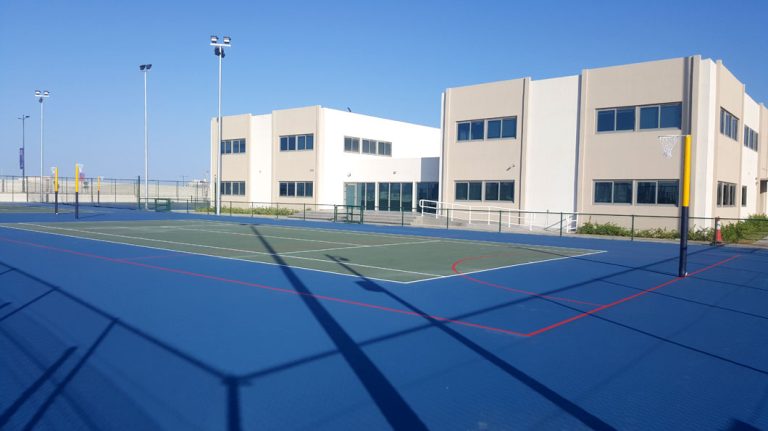
No wonder innovation has taken over every aspect of life, and sports infrastructure is no longer an exception. In recent...
Know More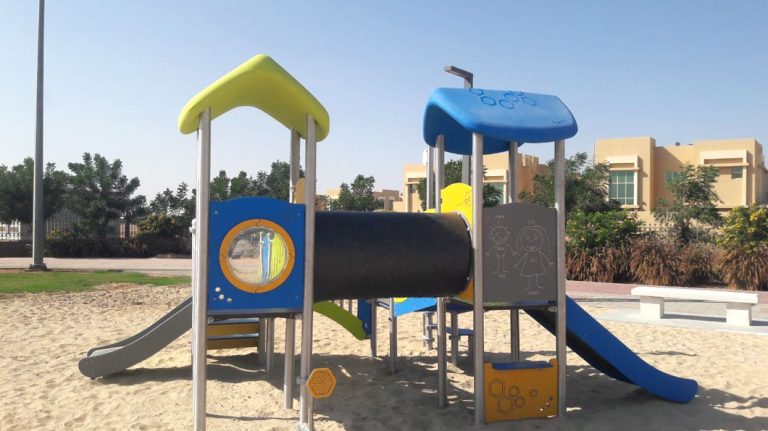
In the UAE, children’s playgrounds are far more than recreational add-ons; today, they are a prime lifestyle amenity that directly...
Know More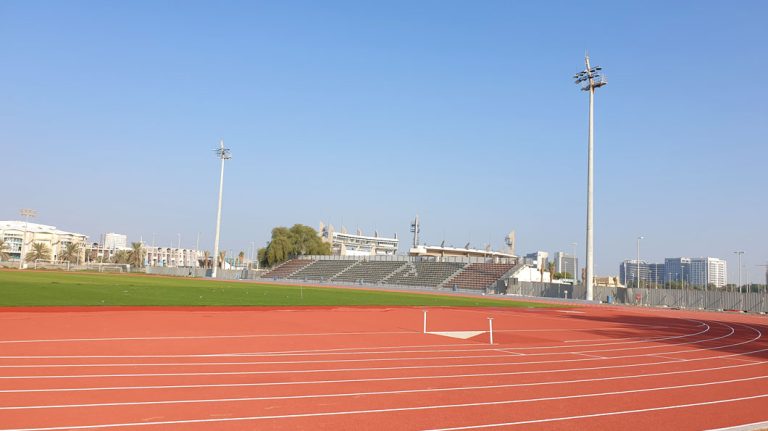
Is your facility’s running track wearing out faster than expected? And when you start looking at Athletic Track Flooring in...
Know More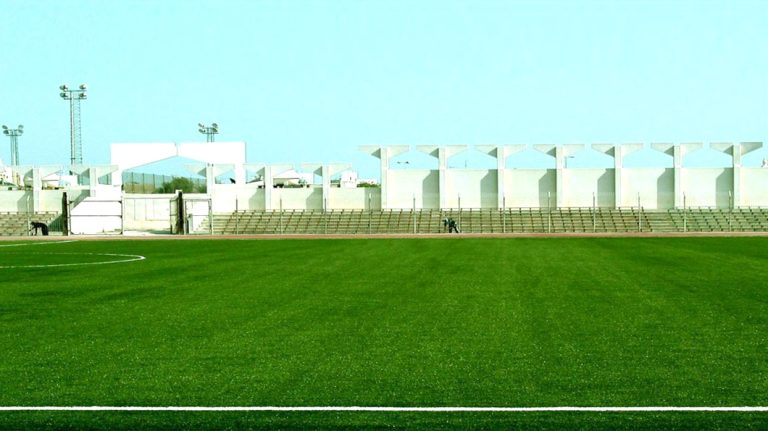
Is your outdoor space struggling with the UAE’s relentless summer heat? Have you ever wondered how commercial spaces in Dubai...
Know More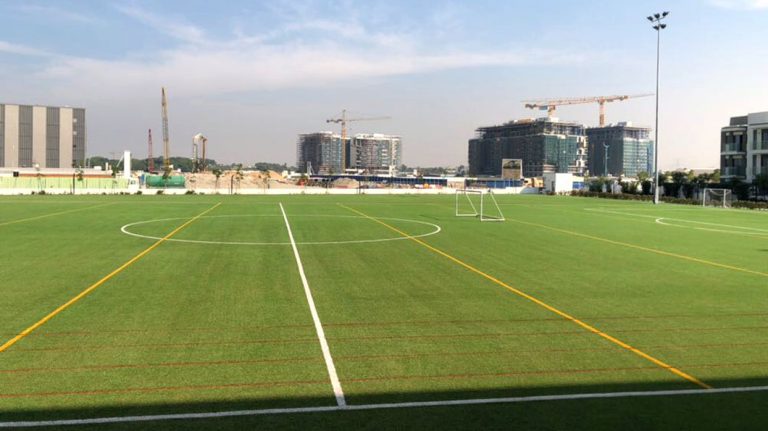
Maintaining a green surface in the UAE stadiums using natural grass has become a challenge due to rising temperatures, increasing...
Know More
Thinking about upgrading your gym, school sports area, or building a new sports facility in the UAE? Let’s start with...
Know More
